

Statistics is not just an academic exercise – the work done in the department has an impact on scientific knowledge and real benefits to society.
Engagement
Research can have impact through public engagement or policy engagement.
Public engagement with research describes the many ways that members of the public can be involved in the design, conduct and dissemination of research.
Policy Engagement is an umbrella term describing the many ways that researchers and policymakers connect and explore common interests at various stages in their respective research and policymaking processes. From informal enquiries to formal inquiries, in consultation or sustained collaboration, policy engagement enables researchers and policymakers to improve public policy through making the most of their evidence, expertise and experience. The university has guidance on how to get involved with policy engagement.
Knowledge exchange and impact
[What is knowledge exchange?]
The university has guidance on funding for knowledge exchange and impact.
Research Case Studies

New Research Shows Genetic Discoveries Apply Across Human Populations
A new study published in Nature Genetics and involving researchers from the Universities of Oxford, Bristol, UCL and Regeneron has revealed that genetic mutations have remarkably consistent effects across populations. The work shows that most biological factors operate similarly in all of us.

SMARTbiomed: A New International Pioneer Centre focused on Medical Data Research
The University of Oxford (OU), the University of Copenhagen (KU), and Aarhus University (AU) are delighted to announce the launch of the recently established Pioneer Centre for Statistical and Computational Methods for Advanced Research to Transform Biomedicine (SMARTbiomed) This Centre will become a vital international partner for data-driven medical research.

Eric and Wendy Schmidt AI in Science Postdoctoral Fellow To Join Statistics
Dr. Samvida Venkatesh is one of the fifteen fellows joining the University of Oxford.

EPSRC Invests Further into the Centre for Doctoral Training in Statistics and Machine Learning
We have received the fantastic news of the Engineering and Physical Science Research Council (EPSRC) investing £1 Billion into Centres of Doctoral Training (CDTs). Included in the list of centres receiving funding is our own CDT in Statistics and Machine Learning.
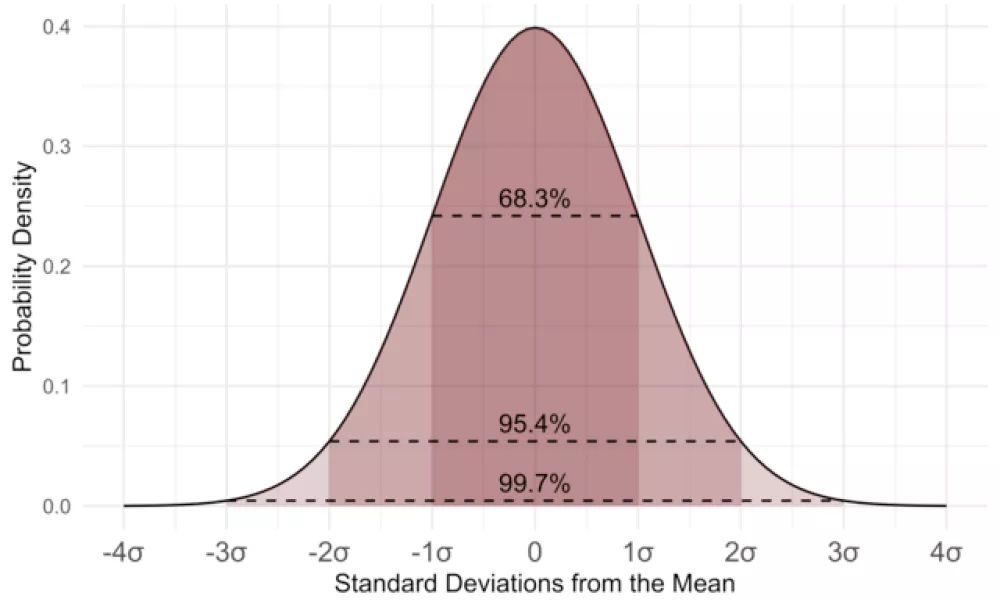
Teaching Applied Statistics to graduate students
The OxUSC team developed a 5-day course as well as a 10-day course covering all key statistical approaches for application in the field of Psychiatry. Graduate students gained a thorough understanding of foundational statistics and probability, hypothesis testing, linear regression to more advanced topics including generalised linear models, as well as multilevel models and models for longitudinal data. Emphasis was placed on the interpretation and reporting of statistical outputs. The participants also learned to perform data wrangling, analysis and visualisation tasks using the statistical software R. Statistics training has also been delivered to other audiences, including as part of the UNIQ+ scheme providing students from under-represented and disadvantaged backgrounds a chance to enhance their research skills and experience some of what Oxford offers its postgraduate students.

Improving sustainable treatment access for vulnerable patients
A company in the international pharmaceutical sector is currently exploring options to address unmet needs of vulnerable patients. These are patients who might experience periods of lack of resources and either forego treatment or compensate for spending on drugs and treatment with savings on other basic needs. OUSC has provided feedback and advice on data requirements and appropriate statistical models to measure treatment affordability, identify groups to target for additional support and measure changes in affordability over time. We have also provided ad-hoc inputs on the predictive modelling of the appearance of symptoms of a disease, using frequentist statistical methods as well as machine learning approaches.

Analysis of a biomarker in the diagnosis of stress and disease
OxUSC has implemented the statistical analysis for several clinical studies conducted by a company that has developed and is testing a novel in vitro leucocyte blood test device across a range of sectors (cross-over trials, data with biological and technical replicates). The analyses included trials with Sepsis patients, COVID-19 patients, and healthy control groups, as well as a study on healthy participants assessing the link between leucocyte readings and stress. Findings from the descriptive and multivariable and mixed-effects regression analyses are feeding into academic journal publications and providing insights into the further development of the test device.
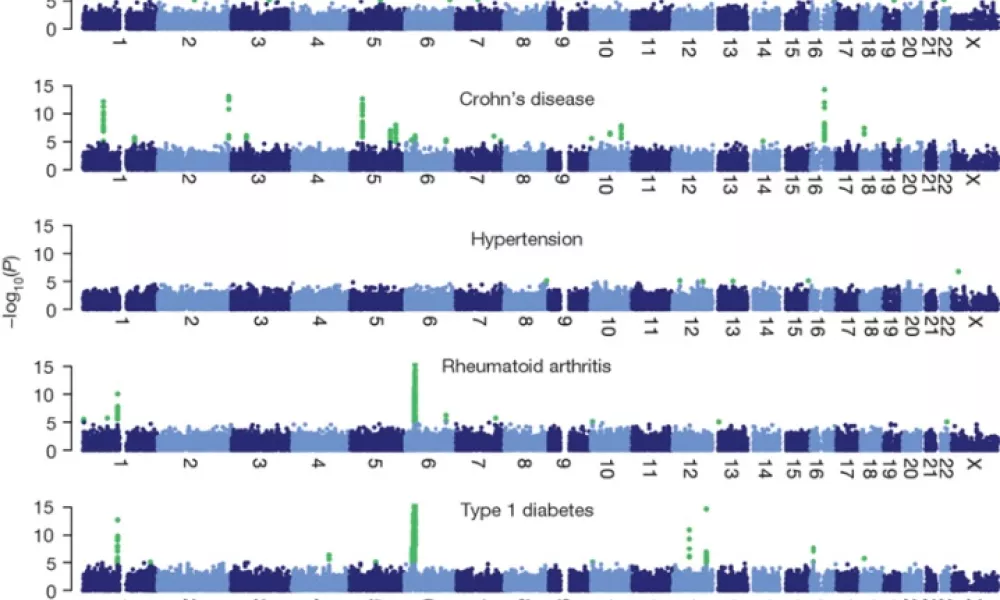
IMPUTE – a powerful new statistical tool for identifying ‘disease genes’
Find out more about IMPUTE, a powerful new statistical tool for identifying ‘disease genes’

PER Case Study: Understanding Covid-19 Transmission, Informing Control
Read about the animation that Prof Christl Donnelly and DPhil student Emmanuelle Dankwa produced around research into Covid-19 transmission.