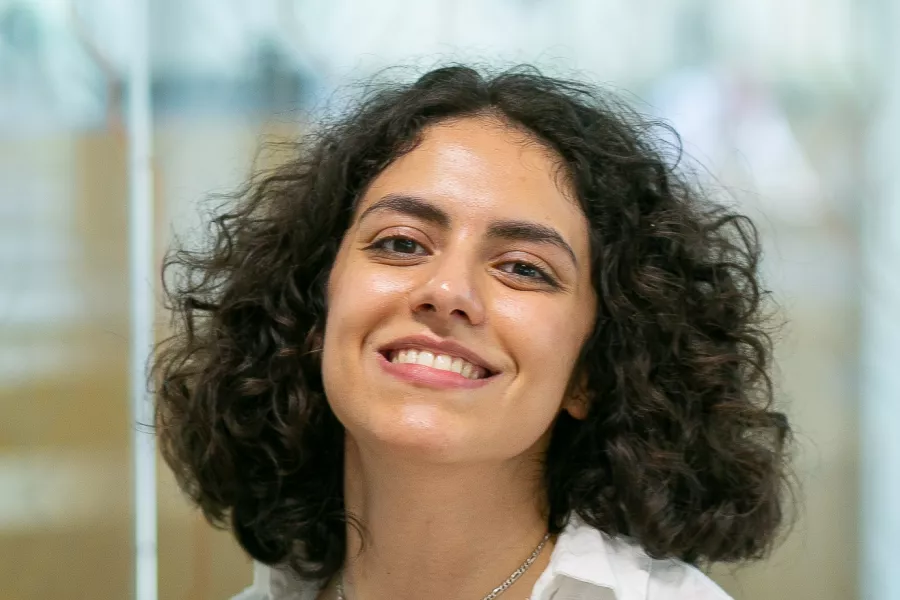
We are delighted that Oxford Statistics STATML CDT student Sahra Ghalebikesabi is one of the recipients of the 2022 Microsoft Research PhD Fellowships. The Microsoft Research PhD Fellowship is a global program that identifies and empowers the next generation of exceptional computing research talent. Microsoft recognises the value of diversity in computing and aims to increase the pipeline of talent receiving advanced degrees in computing-related fields to build a stronger and inclusive computing-related research community. The Fellowship is available to students conducting research in areas of Cloud Infrastructure, Future of Work, Health Intelligence, and Confidential Computing.
The Fellowship includes
- $15,000 USD to help complete research as part of their doctoral thesis work for academic year 2023–24.
- Eligible recipients will be offered a 12-week paid internship with Microsoft Research’s Cambridge, UK lab, or the Microsoft Africa Research Institute (MARI).
- Opportunities to build relationships with research teams at Microsoft and receive mentorship.
Applications for postgraduate study are now open for 2027–28 entry
Postgraduate study at Oxford Statistics offers the chance to work across a broad range of research, from statistical theory and methodology, probability and machine learning to applications in areas including genetics, epidemiology, computational biology, finance and the social sciences.
Tom Rainforth awarded full Professorial title
Tom Rainforth has been awarded the title of Professor of Statistical Machine Learning and, as of 1 September 2026, is also a Fellow of Jesus College.
What does a statistician do for the England football team?
From squad selection to modelling how footballs behave at altitude, statistician Matt Penn explains how data is helping shape the modern game, and why coaches will always matter more than the numbers.