
Oxford University today joins a consortium led by the digital quantum computing company, SEEQC, to build and deliver a full-stack quantum computer for pharmaceutical drug development for Merck KGaA. The consortium has today been awarded a £6.85M grant by Innovate UK’s Industrial Strategy Challenge Fund (ISCF) to build a commercially scalable quantum computer designed to tackle prohibitively high costs within pharmaceutical drug development. The partnership will accelerate the use of quantum computing within pharmaceutical research to dramatically reduce the time required for drug development on a global scale.
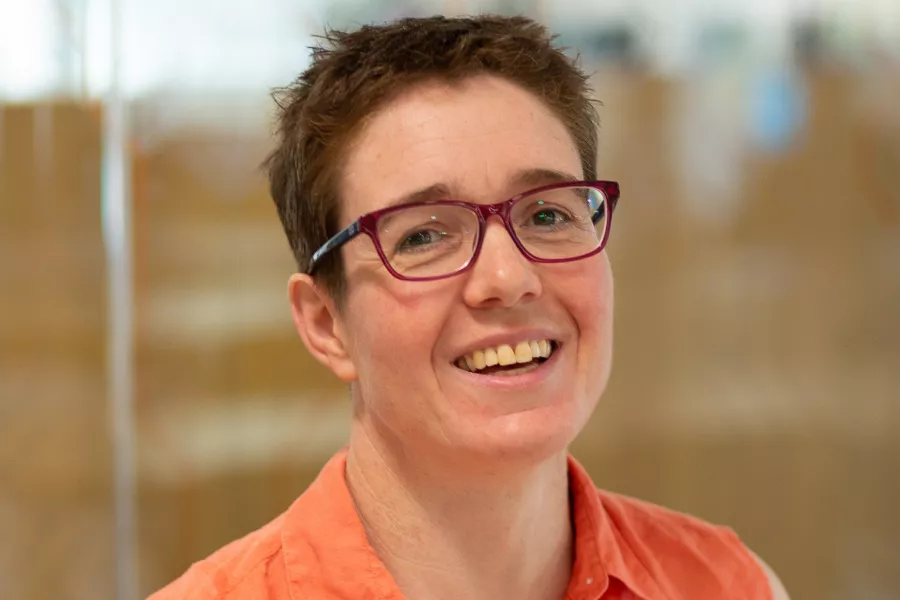
Professor Charlotte Deane, who leads the Oxford Protein Informatics Group in the Department of Statistics and Professor Frank Von Delft, at the Centre for Medicines Discovery at the Nuffield Department of Medicine, will be leading from Oxford University. Find out more.
Applications for postgraduate study are now open for 2027–28 entry
Postgraduate study at Oxford Statistics offers the chance to work across a broad range of research, from statistical theory and methodology, probability and machine learning to applications in areas including genetics, epidemiology, computational biology, finance and the social sciences.
Tom Rainforth awarded full Professorial title
Tom Rainforth has been awarded the title of Professor of Statistical Machine Learning and, as of 1 September 2026, is also a Fellow of Jesus College.
What does a statistician do for the England football team?
From squad selection to modelling how footballs behave at altitude, statistician Matt Penn explains how data is helping shape the modern game, and why coaches will always matter more than the numbers.