
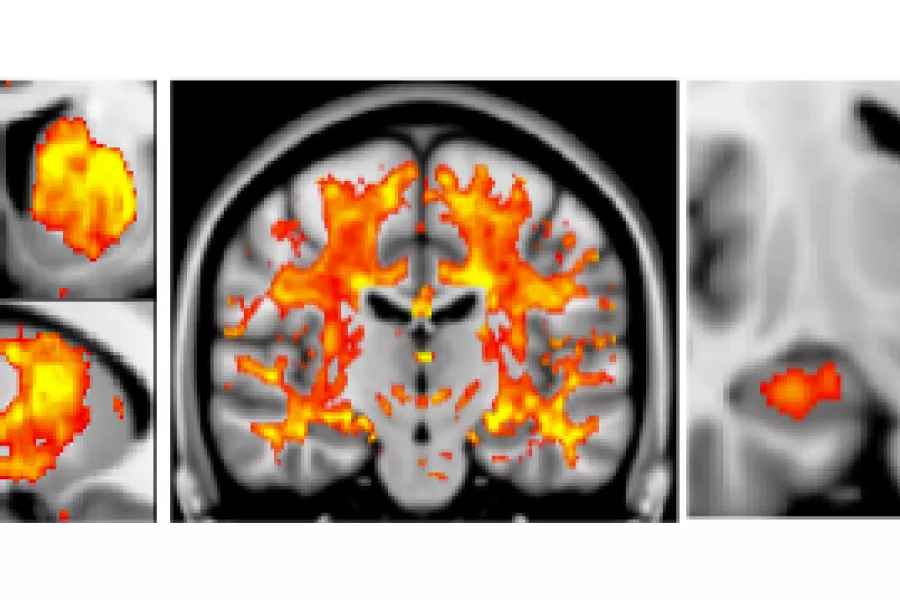
The Oxford Brain Imaging Genetics (BIG) Browser is part of a collaboration between the research groups of Prof Jonathan Marchini and Prof Steve Smith at fMRIB in Oxford. This collaboration aims to uncover the genetic basis of human brain imaging measures using the UK Biobank project. It is expected that this research will help uncover the genetic influences of neurodegenerative and psychiatric diseases such as Alzheimer’s, Parkinson’s, Schizophrenia and Depression. The UK Biobank is following the health and well-being of 500,000 volunteer participants. So far the project has collected genetic data on all 500,000 participants and is in the process of collecting brain imaging data on 100,000 participants, with brain imaging data on ~10,000 participants. Both Prof Marchini’s and Prof Smith's groups have been centrally involved in the processing and analysis of genetic data and imaging data respectively. Combining the genetic and imaging data is complex and is made much easier by pooling expertise across the two groups. In the course of their research they have uncovered several hundred loci (positions) in the human genome associated with structural and functional measures of the human brain. They have posted a paper on bioRxiv on the imaging genetic work and a paper on the analysis of the genetic data. The Oxford BIG Browser hosts the results from the imaging genetics paper and allows researchers to quickly and clearly visualize and explore the results. They have made this data available ahead of publication to best facilitate the research of other groups in this area.
Applications for postgraduate study are now open for 2027–28 entry
Postgraduate study at Oxford Statistics offers the chance to work across a broad range of research, from statistical theory and methodology, probability and machine learning to applications in areas including genetics, epidemiology, computational biology, finance and the social sciences.
Tom Rainforth awarded full Professorial title
Tom Rainforth has been awarded the title of Professor of Statistics and, as of 1 September 2026, is also a Fellow of Jesus College.
What does a statistician do for the England football team?
From squad selection to modelling how footballs behave at altitude, statistician Matt Penn explains how data is helping shape the modern game, and why coaches will always matter more than the numbers.