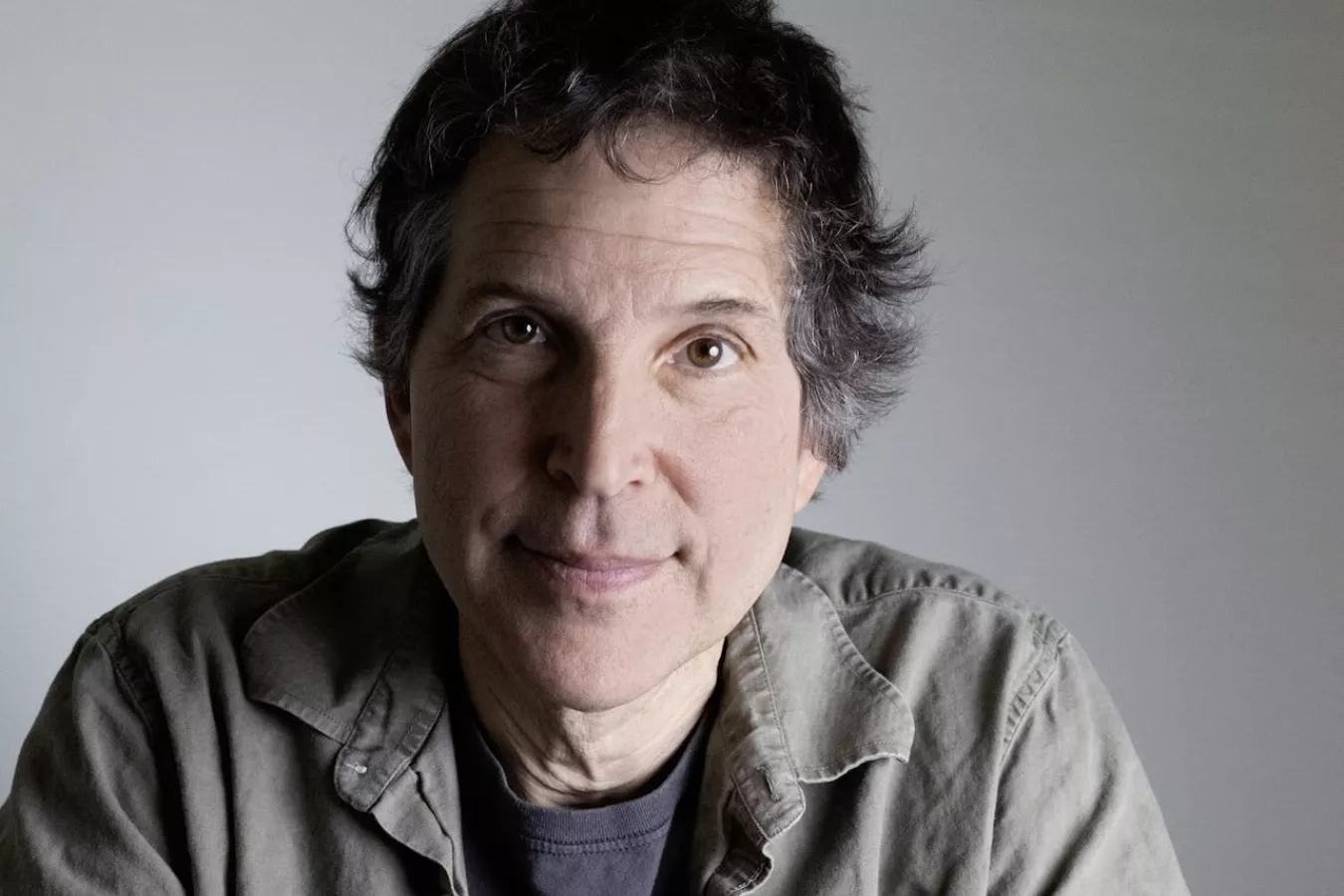
This talk will be open to the whole university and is likely to be very popular. Please register your place here.
Talk Title: Advances in computational protein design
Abstract: Proteins mediate the critical processes of life and beautifully solve the challenges faced during the evolution of modern organisms. The focus of Dr David Baker's lab is the design of a new generation of proteins that address current-day problems not faced during evolution. In contrast to traditional protein engineering efforts which modify naturally occurring proteins, they design new proteins from scratch to optimally solve these problems. Dr Baker's lab develop and use deep learning methods to design these new proteins with new functions, produce synthetic genes encoding the designs, and characterize them experimentally.
In this talk, he will describe the design of proteins to address current challenges in health, technology, and sustainability.
Bio: David Baker is a Nobel laureate, professor of biochemistry, HHMI investigator, and director of the Institute for Protein Design at the University of Washington. His lab develops software for protein design and uses it to create molecules that address challenges in medicine, technology, and sustainability. Recent work includes the development of machine learning methods for generating functional proteins.
David is also an adjunct professor of genome sciences, bioengineering, chemical engineering, computer science, and physics at the University of Washington. He has published more than 650 scientific papers, been awarded over 100 patents, and co-founded 21 biotechnology companies. More than 100 of his trainees have gone on to independent faculty positions.
He is the recipient of numerous awards, including the 2024 Nobel Prize in Chemistry “for computational protein design.” He is an elected member of the National Academy of Sciences, National Academy of Engineering, and National Academy of Inventors. David was also included on TIME’s inaugural list of the 100 Most Influential People in health.
David received his PhD in biochemistry with Randy Schekman at the University of California, Berkeley, and conducted postdoctoral research in biophysics with David Agard at UCSF.