

Main News

STEM for Britain 2022 Finalists
We are delighted that two Oxford Statistics research students have been selected as finalists for STEM for Britain 2022 in the Mathematical Sciences category.
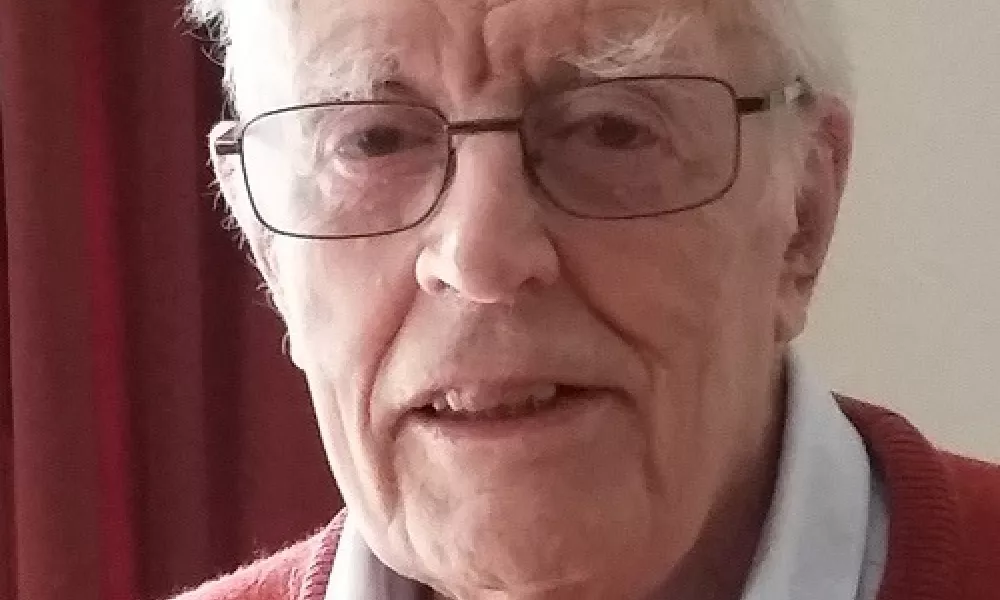
Sir David Cox, 1924 - 2022
We received the news of the loss of Sir David Cox on 18 January 2022 with great sadness.
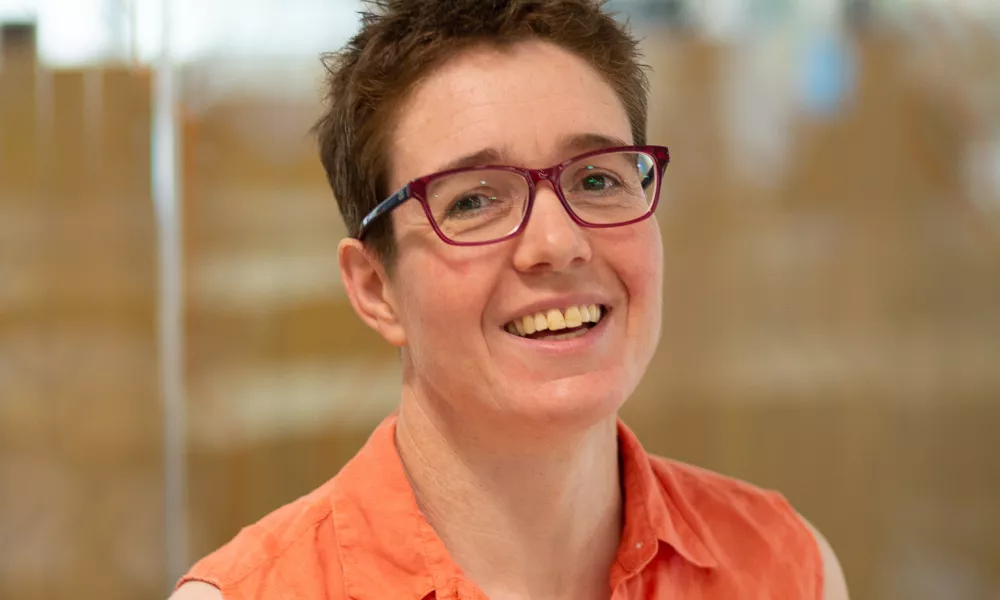
Prof Charlotte Deane joins Exscientia
Prof Charlotte Deane has joined Exscientia as Chief Scientist of Biologics AI.

Key surveys overestimate COVID-19 vaccination rates in the USA
Estimates of COVID-19 vaccine uptake in the USA based on large surveys that are used to guide policy-making decisions tend to overestimate the number of vaccinated individuals, research published in Nature suggests.
Oxford joins consortium to advance quantum drug discovery with £6.8M grant from Innovate UK
Oxford University today joins a consortium led by the digital quantum computing company, SEEQC, to build and deliver a full-stack quantum computer for pharmaceutical drug development for Merck KGaA.
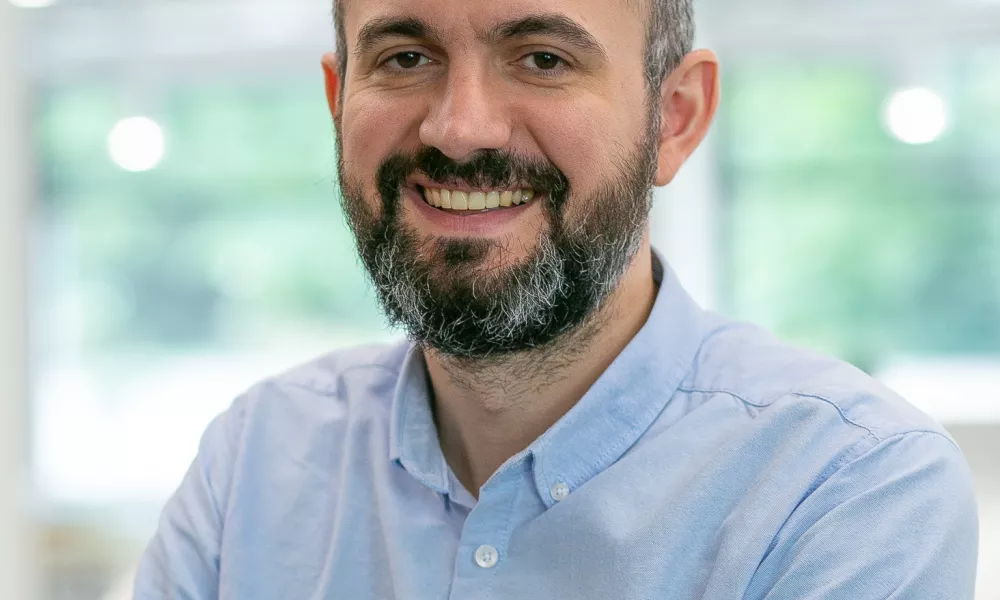
Turing Fellowships for four Oxford Statistics academics
Thirty-three University of Oxford researchers have been named Turing Fellows for the 2021/22 academic year, including four from the Department of Statistics.
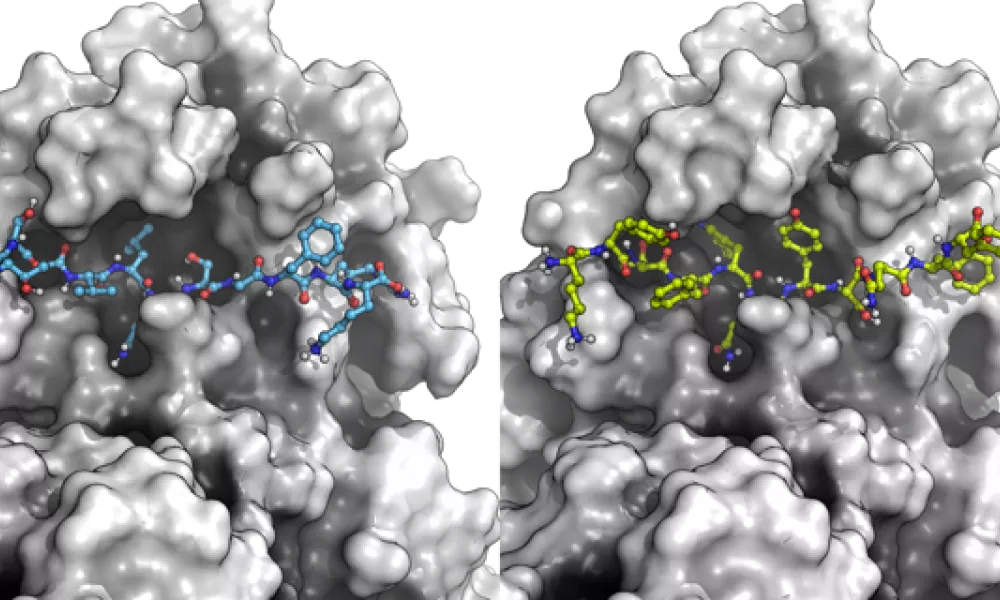
A unique international Zoom collaboration
In March 2020, the World Health Organization declared a global COVID-19 pandemic and the UK announced a strict national lockdown. When Oxford University scientists were sent home, they rolled up their sleeves, switched on their computers and started to help develop new drugs to target SARS-CoV-2, the virus that causes COVID-19.
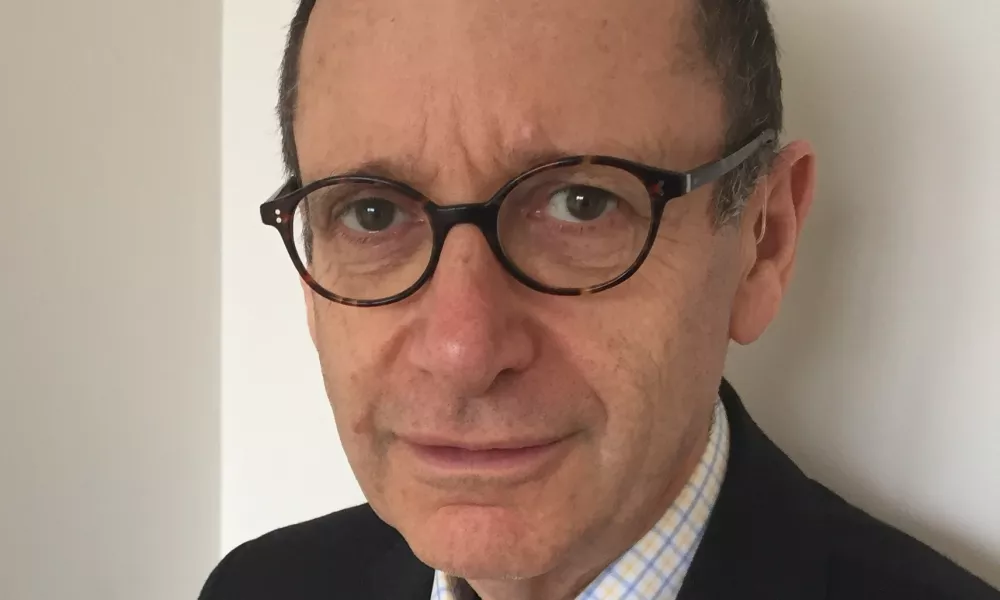
Sir Bernard Silverman appointed Chair of the Geospatial Commission
Sir Bernard Silverman FRS, Emeritus Professor of Statistics was appointed as Chair of the Geospatial Commission in June 2021.

Oxford researchers develop tool to predict human displacement post-disaster
When disasters such as earthquakes happen, governments and humanitarian organisations need to rapidly allocate aid resources to facilitate recovery, minimise the number of people displaced and reduce the long-term effects. This is a complex task that needs be undertaken in a very short space of time, with potentially serious consequences if not done well.