
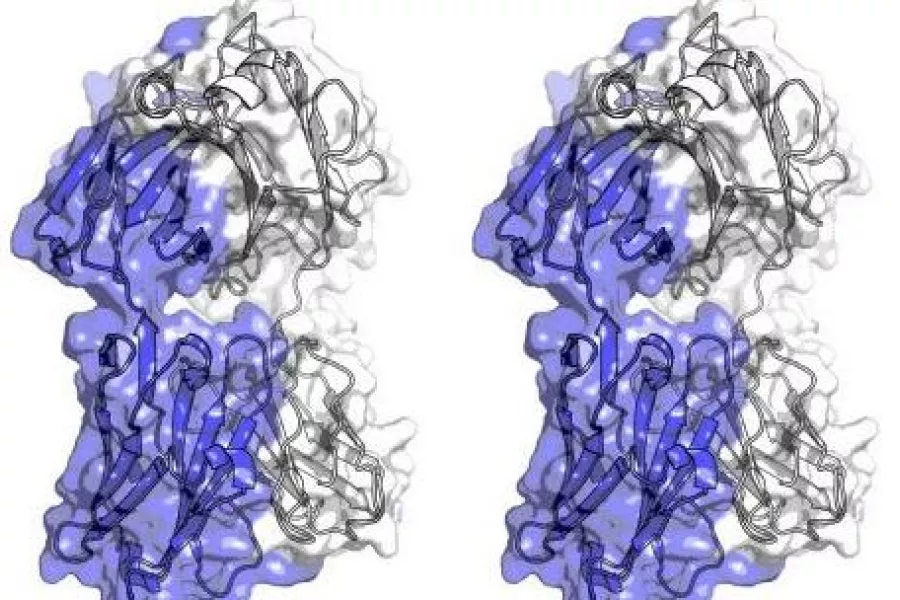
Antibodies are produced by white blood cells to destroy pathogens, which can be in the form of bacteria, viruses, or other microorganisms that can cause disease. Pathogens contain chemicals that are foreign to the body called antigens. Each type of antibody ‘fits’ a certain antigen, so each antibody therapeutic drug has to be engineered against a certain antigen. The computational tools developed by Professor Deane’s group can be exploited in the initial phase of the drug discovery process. Currently, an antibody is engineered against a certain antigen through a random process that is expensive and time-consuming. Use of computational tools can inform the decisions researchers need to make in order to engineer an antibody to bind a particular antigen. EPSRC IAA funding facilitated the implementation of the platform in industry through secondment of University staff. The software is now in use at Roche, UCB and Medimmune, who are three of the major antibody therapeutic development firms in Europe. The platform is currently functioning as an internal web service at UCB, accessible to employees who have been trained to use the software. Two new pieces of software were developed during the course of the project with scientists from Medimmune aiding the design, providing data and suggesting applications. This activity has attracted the interest of several new partners including: GlaxoSmithKline (GSK), Lonza and Kymab. Scientists from GSK are now co-supervising students from the Oxford Protein Informatics Group. Several tools from the platform have been taken in-house by pharmaceutical companies. EPSRC IAA funding was used to hire an impact software engineer to provide support for implementation, maintenance and further developments, a role that is now fully funded by industrial contributions to the service. The functionality of the platform continues to expand as new technologies are developed by the Oxford Protein Informatics Group and its industrial partners. ‘The Impact Software Engineer Service model is an extremely powerful way to translate innovative science into tangible impact on drug discovery projects. Cutting-edge research outcomes are now flowing immediately, as they are mature, from Prof. Deane’s lab to the hands of UCB’s scientists, thanks to the timely delivery of not only the software but also the know-how by this service model... Timely delivery of new capabilities means faster delivery of relief to patients.’ Jiye Shi, UCB Pharma Report taken from https://www.mpls.ox.ac.uk/internal-research-funding/impact-and-innovation/epsrc-iaa-case-studies/computational-antibody-design-tools
Applications for postgraduate study are now open for 2027–28 entry
Postgraduate study at Oxford Statistics offers the chance to work across a broad range of research, from statistical theory and methodology, probability and machine learning to applications in areas including genetics, epidemiology, computational biology, finance and the social sciences.
Tom Rainforth awarded full Professorial title
Tom Rainforth has been awarded the title of Professor of Statistical Machine Learning and, as of 1 September 2026, is also a Fellow of Jesus College.
What does a statistician do for the England football team?
From squad selection to modelling how footballs behave at altitude, statistician Matt Penn explains how data is helping shape the modern game, and why coaches will always matter more than the numbers.